

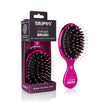

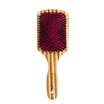
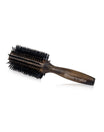
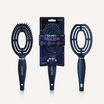
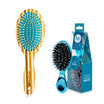

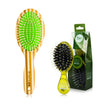
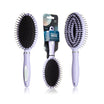
Your brushes are an investment. Here's how salon professionals keep them performing at their best for years — not months.
---
A professional boar bristle brush can last three years or more under daily salon use. A neglected one degrades in three months. The difference isn't the brush — it's the maintenance protocol. And most stylists, even experienced ones, are doing at least one thing wrong.
Here's the complete guide to brush care, from daily habits to deep cleaning to knowing when it's time to retire a brush for good.
Daily: the 30-second habit that extends brush life by years
After every use — every single use — remove accumulated hair from the brush. This isn't about aesthetics. Hair trapped in the bristles creates a mat that prevents the bristles from functioning correctly. It also traps moisture, product residue, and bacteria against the cushion pad, which is the most vulnerable component of any brush.
Use a tail comb or a dedicated brush-cleaning tool to lift hair from the bristle base. Start at one edge and work across, pulling upward. Don't yank sideways — that bends bristles and loosens them from the cushion.
This takes 30 seconds. Stylists who do it consistently report their brushes lasting twice as long as those who clean weekly or "when they remember."
Weekly: the deep clean protocol
Once a week, every brush in your station needs a proper wash. Here's the protocol that professional tool manufacturers recommend.
Step 1: Remove all remaining hair. Even with daily removal, some strands work their way deep into the bristle base. Use a cleaning comb to get everything out before washing.
Step 2: Prepare a cleaning solution. Fill a shallow bowl with lukewarm water — never hot, as hot water can soften the adhesive that holds bristles in the cushion. Add two to three drops of gentle clarifying shampoo or a small amount of liquid castile soap. Avoid dish soap — the degreasing agents are too harsh for natural bristles and can strip boar bristle of its beneficial oils.
Step 3: Clean the bristles only. Submerge just the bristle portion of the brush in the solution. Do not soak the entire brush — water in the cushion air hole leads to mold growth, and prolonged water exposure weakens the adhesive that secures the bristles. Swirl the bristles in the solution for 30 seconds.
Step 4: Work between the bristles. Use an old soft toothbrush to gently scrub between the bristles where product buildup accumulates. Pay attention to the base where bristles meet the cushion — this is where residue hides.
Step 5: Rinse under running lukewarm water. Again, bristles only. Angle the brush so water runs away from the cushion pad, not into it.
Step 6: Dry bristle-side down. Place the brush on a clean towel with the bristles facing downward, ideally angled slightly so any remaining water drains away from the cushion. Allow to dry completely before use — usually overnight. Never use a heat source to accelerate drying.
Monthly: cushion and handle inspection
Once a month, inspect each brush for signs of wear that affect performance.
Bristle check: Look for bristles that are bent, splayed outward, or missing. A few stray bristles are normal. If you notice a patch where bristles are consistently bent or missing, that brush is losing its ability to distribute tension evenly.
Cushion check: Press the cushion with your thumb. It should compress smoothly and spring back evenly. If you feel hard spots, uneven resistance, or the cushion doesn't return to its original shape, the air cushion is failing. A compromised cushion means inconsistent pressure during brushing, which leads to pulling and uneven results.
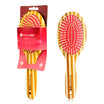
Handle check: For bamboo handles, look for cracks or splits, particularly near where the handle meets the brush head. For any handle, check that the head is still firmly attached and doesn't wobble. A loose head changes the brush angle during use and creates an unpredictable tool.
Product-specific brush care
Different styling products affect brushes differently, and your cleaning approach should account for what you're working with.
Silicone-based serums and heat protectants create a film on bristles that regular shampoo doesn't fully remove. Once a month, add a teaspoon of baking soda to your cleaning solution to break down silicone buildup. Rinse thoroughly — baking soda residue left on bristles can dry out natural boar bristle.
Dry shampoo and texture sprays leave a powdery residue that clogs the spaces between bristles. If you use these products frequently, increase your deep cleaning frequency to twice weekly, and use a dry cloth to wipe bristles between washes.
Heavy oils and leave-in conditioners make bristles clump together and reduce their ability to separate hair strands. For brushes used primarily with oil-heavy services, the weekly deep clean is mandatory — skipping it even once creates buildup that becomes progressively harder to remove.
When to retire a brush
Knowing when a brush is done is as important as maintaining it. Here are the definitive signs.
Replace immediately if the cushion pad separates from the brush head, if more than 15-20% of bristles are missing or permanently bent, if the handle cracks through the structural body (not just surface scratches), or if you can smell mildew even after a thorough cleaning. That last one means moisture has gotten into the cushion core, and no amount of cleaning will fix it.
For salon professionals using brushes on clients daily, expect to replace your primary blowout brush every 18-24 months. Finishing brushes and paddle brushes that see less heat exposure typically last 24-36 months. Personal-use brushes that are properly maintained can last three years or more.
The bottom line
Brush maintenance isn't glamorous, but it's the difference between a tool that performs consistently and one that gradually makes your work harder without you noticing. The 30-second daily cleanup, the weekly wash, and the monthly inspection — together, these three habits protect your investment and keep your results at the level your clients expect.
---
Tiri Pro builds salon-caliber brushes designed to last. Explore the collection — from boar bristle minis to eco-friendly bamboo paddles — at tiripro.com.
Dejar un comentario
Este sitio está protegido por hCaptcha y se aplican la Política de privacidad de hCaptcha y los Términos del servicio.